








The Consumer Goods Council of South Africa (CGCSA) has launched multi-industry Illicit Economy Task Forces to fight the growing crisis of illicit and counterfeit goods in sectors such as alcohol, tobacco, food, pharmaceuticals, cosmetics, clothing, and toys.
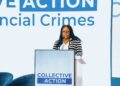
Johannesburg, 01 December 2025 – The Consumer Goods Council of South Africa (CGCSA) has launched new Illicit Economy Task Forces to curb the rising crisis of illicit and counterfeit goods across multiple industries. The initiative targets the most affected product categories: liquor, tobacco, food, cosmetics and pharmaceuticals, clothing, and toys.
Illicit trade has become one of South Africa’s most damaging economic threats—costing the country billions in lost tax revenue, destabilising legitimate businesses, and putting public health and national security at risk.
A Unified, Multi-Industry Response
The newly established task forces will drive a coordinated strategy to disrupt criminal networks and strengthen the integrity of the Fast-Moving Consumer Goods (FMCG) sector.
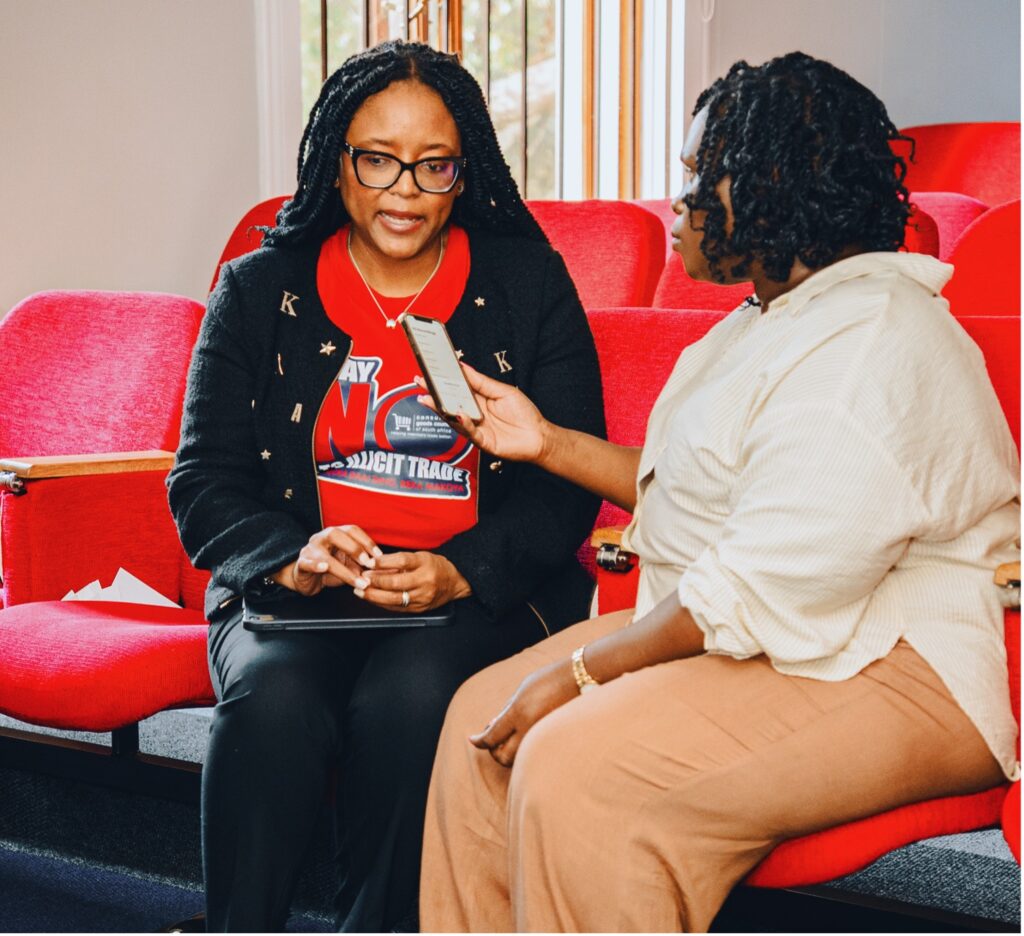
The Illicit Economy Task Forces Will:
- Coordinate cross-sector action to dismantle illicit trade networks
- Promote evidence-based policy reforms for smarter regulation
- Support enforcement agencies through strategic collaboration
- Strengthen public-private partnerships to curb the spread of counterfeit goods
- Drive consumer awareness encouraging the public to reject illegal products
- Improve reporting systems to help citizens and businesses expose illicit activity
CGCSA CEO Zinhle Tyikwe emphasised that illicit trade is now one of the most significant threats to economic stability, investment, job creation, and governance in South Africa.
She noted that addressing this challenge requires decisive, collective action backed by nearly 20 industry associations and sectoral bodies.
Industry Leaders Welcome the Initiative
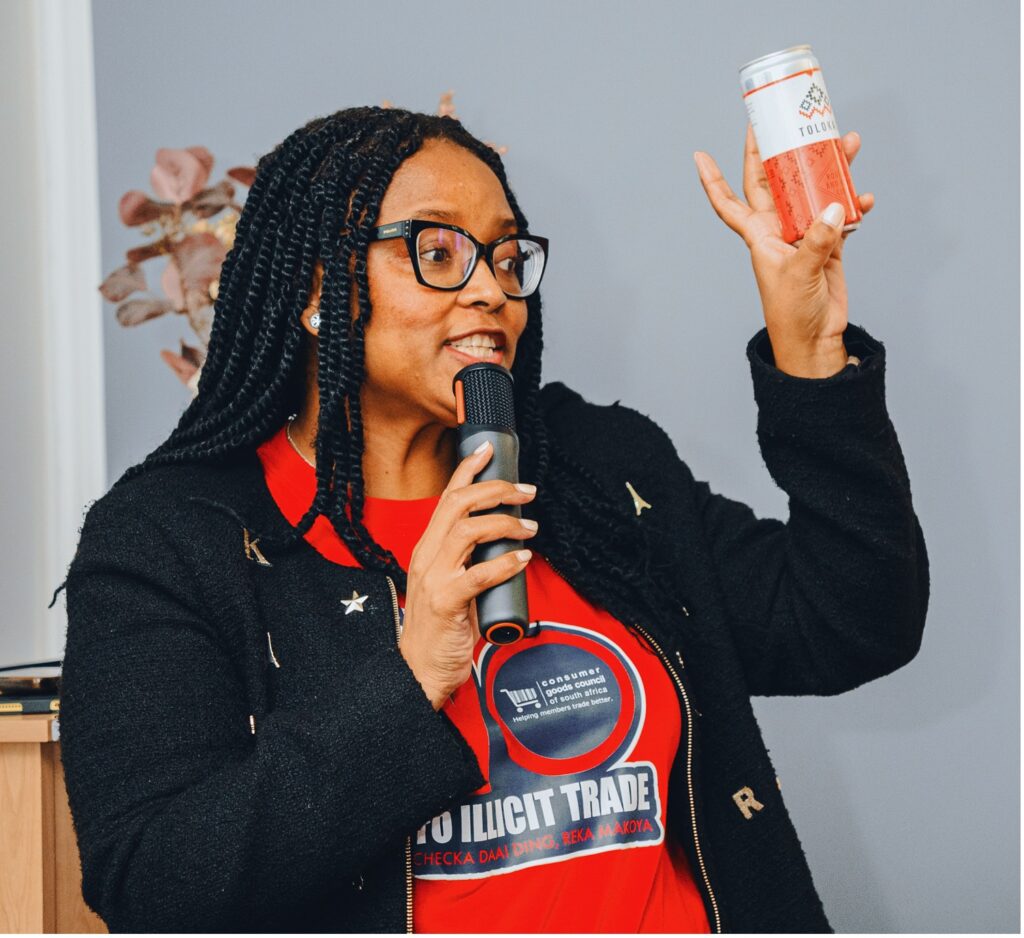
Several leaders attended the launch, reinforcing the importance of multi-stakeholder collaboration:
- Queen Munyai, CEO of the Consumer Goods & Services Ombudsman (CGSO), praised the initiative, noting it strengthens ongoing consumer education about buying legitimate goods.
- Hardin Ratshisusu, Acting Deputy Commissioner & Acting Commissioner of the NCC, highlighted the severe economic damage caused by illicit trade.
- Angela Russell, CEO of the Drinks Federation of South Africa, warned that illicit alcohol continues to escalate, costing the country billions in lost excise revenue.
- Thabang Rampa, Manager: Regulatory Affairs at Milk SA, addressed ongoing efforts to combat illegal dairy sales, including the unsafe sale of raw milk.
Checka Daai Ding Campaign: Phase Two Launches
The announcement coincides with the launch of Phase Two of the “Checka Daai Ding” awareness campaign—a national initiative encouraging South Africans to become vigilant buyers capable of recognising and rejecting counterfeit goods.
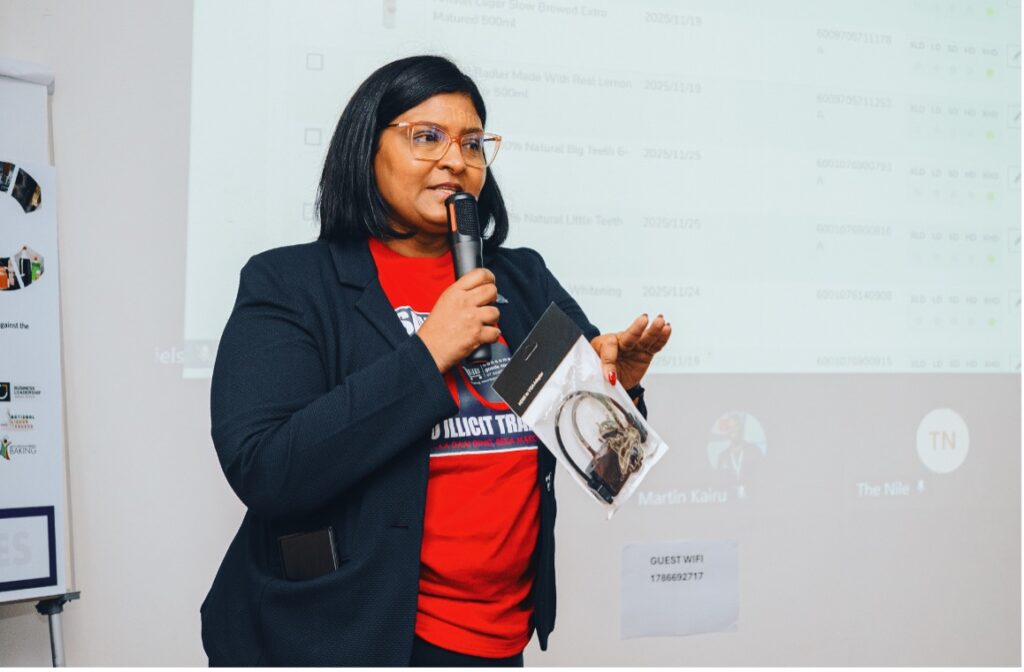
First launched in 2024, the campaign aims to:
- Reduce demand for illicit products
- Promote consumer vigilance
- Encourage citizens to report counterfeit items
- Strengthen accountability across communities
According to Tyikwe, this campaign is essential in transforming consumers from passive shoppers into active defenders of the legitimate economy.
Empowering Consumers Through Technology
The CGCSA showcased the MyCGCSA App, a digital tool that allows consumers to:
- Verify product authenticity from any retailer, online store, or informal market
- Detect suspicious or counterfeit goods
- Report questionable products via the CGCSA Crime Hotline: 0800 014 856
The organisation is also working with brand owners to strengthen product traceability through GS1 South Africa-approved barcodes, improving safety and consumer trust.
Illicit Trade: The Cost to South Africa (Key Facts)
- Illicit and counterfeit trade may cost South Africa up to R100 billion annually
- The illicit market accounts for as much as 10% of the national economy
- Illicit cigarettes reached 74.5% of the total market in 2024—one of the highest rates globally
- Illicit alcohol cost South Africa R16.5 billion in 2024 alone
- The spread of illicit alcohol and cigarettes poses severe public health risks and undermines legitimate businesses