










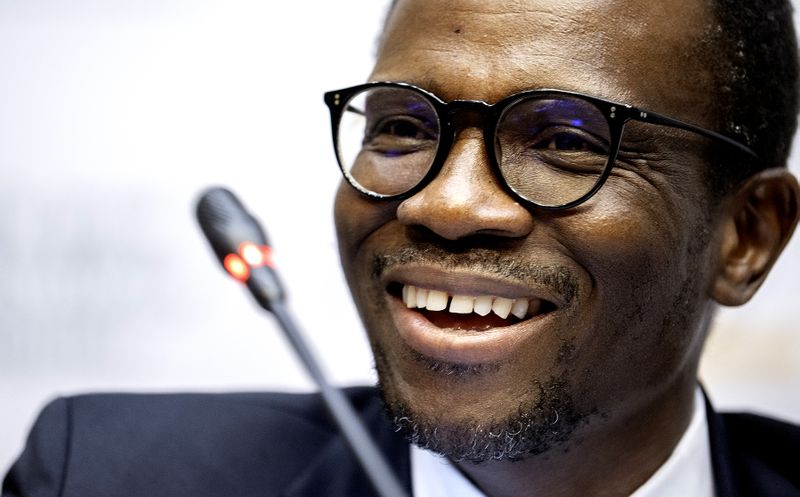
Pretoria, Gauteng – 24 March 2026 – South Africa is stepping up efforts to tackle economic challenges through data-driven decision-making, following the launch of SA-TIED Phase III by Deputy Finance Minister Dr David Masondo in Menlyn, Pretoria.
The initiative, led by the National Treasury, aims to strengthen the use of research and data in shaping government policy to drive economic growth and reduce inequality.
Addressing South Africa’s Economic Challenges
Speaking at the launch, Dr Masondo highlighted the country’s ongoing structural challenges, including:
- Low economic growth
- High unemployment
- Deep inequality
- Increasing fiscal pressure
He emphasised that the key to effective reform lies in making decisions based on credible evidence and data, rather than assumptions.
“Better evidence leads to better policy, and better policy leads to better outcomes for our people,” he said.
What is SA-TIED?
The Southern Africa – Towards Inclusive Economic Development (SA-TIED) programme is a collaboration between government, researchers, and international partners aimed at improving policy through evidence-based research.
Phase II of the programme successfully:
- Strengthened collaboration between policymakers and academics
- Improved research in areas such as fiscal policy, labour markets, and trade
- Helped bridge the gap between research and real-world policy implementation
Key partners include the United Nations University World Institute for Development Economics Research, as well as support from the European Union and the United Kingdom.
The Power of Data and Research
A major milestone of the programme has been the use of advanced data systems, including the National Treasury’s secure data facility.
South Africa has also pioneered the use of administrative tax data to evaluate policy impact – positioning the country as a leader in evidence-based policymaking in the Global South.
This approach allows government to:
- Measure what works and what doesn’t
- Improve accountability
- Make more informed economic decisions
What Phase III Will Focus On
The newly launched Phase III (2026–2029) will expand the programme’s impact, focusing on:
- Public revenue and tax systems
- Poverty, inequality, and labour markets
- Macro-fiscal policy
- Climate-related challenges in food, energy, and water
A new priority area will be improving public expenditure efficiency, ensuring that government spending delivers maximum impact.
Building a Stronger State
Phase III will be guided by three strategic priorities:
- Strengthening research for policymaking
- Expanding data infrastructure and access
- Building government capacity through skills development
Dr Masondo stressed that long-term reform depends not only on policy ideas but also on the state’s ability to implement them effectively.
Global Partnerships Driving Reform
The programme continues to benefit from strong international collaboration, including:
- The European Union
- The Government of the United Kingdom
- UNU-WIDER
These partnerships are helping to strengthen South Africa’s institutional capacity and policy innovation.
A Step Toward Inclusive Economic Growth
As South Africa navigates global uncertainty and domestic economic pressures, the launch of SA-TIED Phase III marks a significant step toward smarter governance.
The initiative is expected to play a key role in:
- Improving policy outcomes
- Enhancing public sector efficiency
- Supporting inclusive economic growth