









Johannesburg, South Africa – 18 March 2026 — South Africa has taken a major step toward fixing struggling municipal services, with the National Treasury officially launching the Metro Trading Services Reform, a key initiative aimed at restoring reliable water, electricity, sanitation, and waste services in major cities.
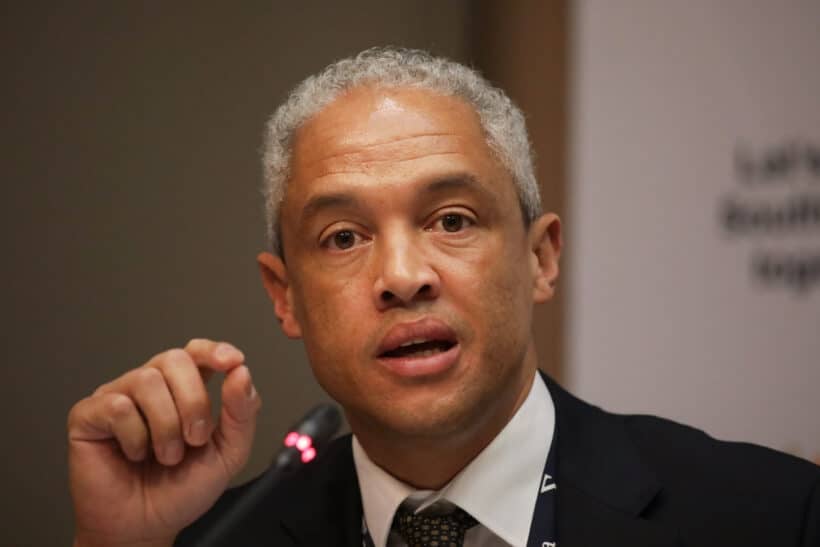
Delivering the keynote address, Dr Duncan Pieterse described the reform as one of the most critical interventions in the country’s broader economic recovery plan.
Fixing Broken Municipal Services
The reform comes amid growing concerns over failing infrastructure, poor service delivery, and declining financial management across many municipalities.
Over the past decade, South Africa’s metros have faced:
- Frequent water and electricity disruptions
- Aging and poorly maintained infrastructure
- Weak revenue collection systems
- Declining public trust
Dr Pieterse warned that if cities fail, the national economy will struggle to grow.
“Our cities are the engines of economic growth, inclusion and innovation. If our cities do not work, South Africa cannot grow,” he said.
R1 Trillion Investment Plan to Boost Growth
The reform forms part of a broader government strategy announced in the 2026 Budget, which includes R1 trillion in public infrastructure investment over the medium term.
Municipalities are expected to manage R205 billion of that funding, targeting critical sectors such as:
- Water infrastructure
- Electricity systems
- Transport networks
However, the Treasury raised concerns about how effectively municipalities are currently using these funds.
Why the Reform Is Needed
One of the biggest issues highlighted is how cities manage revenue from basic services.
In many cases:
- Revenue from water and electricity is not reinvested into infrastructure
- Funds are diverted into general municipal budgets
- Infrastructure continues to deteriorate
For example:
- The City of Johannesburg collects billions for water but spends less than 10% on infrastructure
- eThekwini spends less than 5% of electricity revenue on maintenance
This imbalance has led to:
- Water leaks
- Power outages
- Poor waste management
- Reduced investor confidence
What the Metro Trading Services Reform Will Do
The new reform aims to:
- Ringfence revenue from services like water and electricity
- Ensure funds are reinvested into infrastructure
- Introduce stronger financial accountability
- Improve service delivery performance
The initiative will also treat municipal services more like independent business units, with clear accountability and performance targets.
R54 Billion Incentive to Drive Performance
To encourage compliance, government will roll out R54 billion in performance-based incentives, with R27.7 billion allocated in the medium term.
Cities will only access funding if they:
- Meet performance targets
- Implement improvement plans
- Strengthen governance systems
The reform is expected to unlock over R100 billion in infrastructure investment from banks and private investors.
Global Partnerships Back the Reform
The programme is supported by several international partners, including:
- The World Bank
- Governments of Switzerland and Denmark
- The Asian Infrastructure Investment Bank
- The New Development Bank
These partnerships aim to strengthen municipal capacity and improve infrastructure financing.
A Turning Point for South Africa’s Cities
The Metro Trading Services Reform is designed to:
- Restore confidence in local government
- Improve service delivery
- Attract investment
- Drive economic growth
Dr Pieterse emphasised that collaboration between government, municipalities, and global partners will be key to success.
“This reform is about rebuilding confidence in our cities and unlocking their economic potential.”