







Government, business, and civil society unite to tackle illicit trade and restore integrity to the economy
By Fanelo Maseko
Johannesburg – 5 November 2025
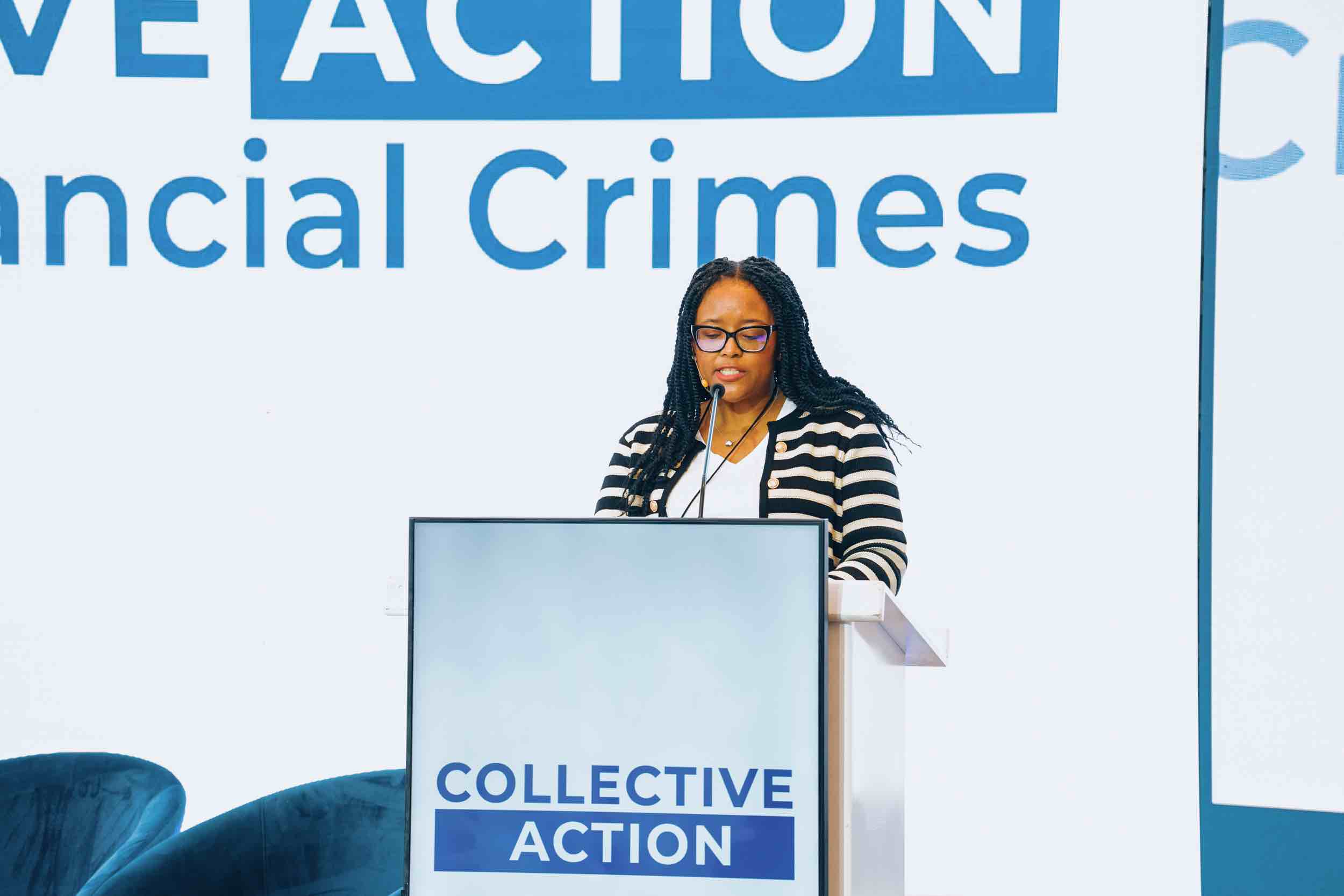
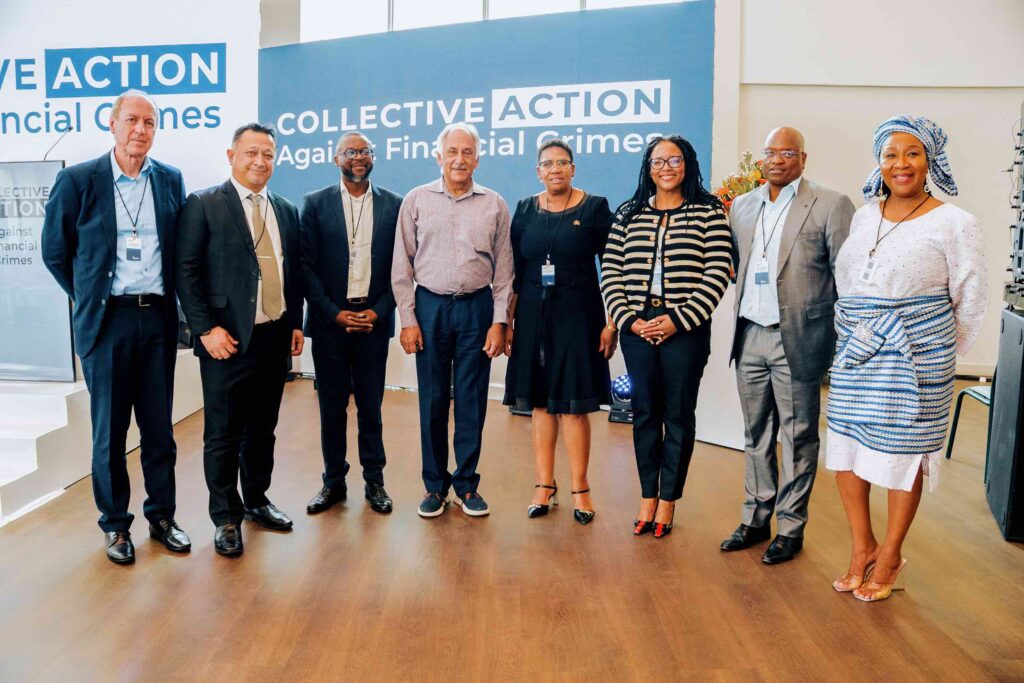
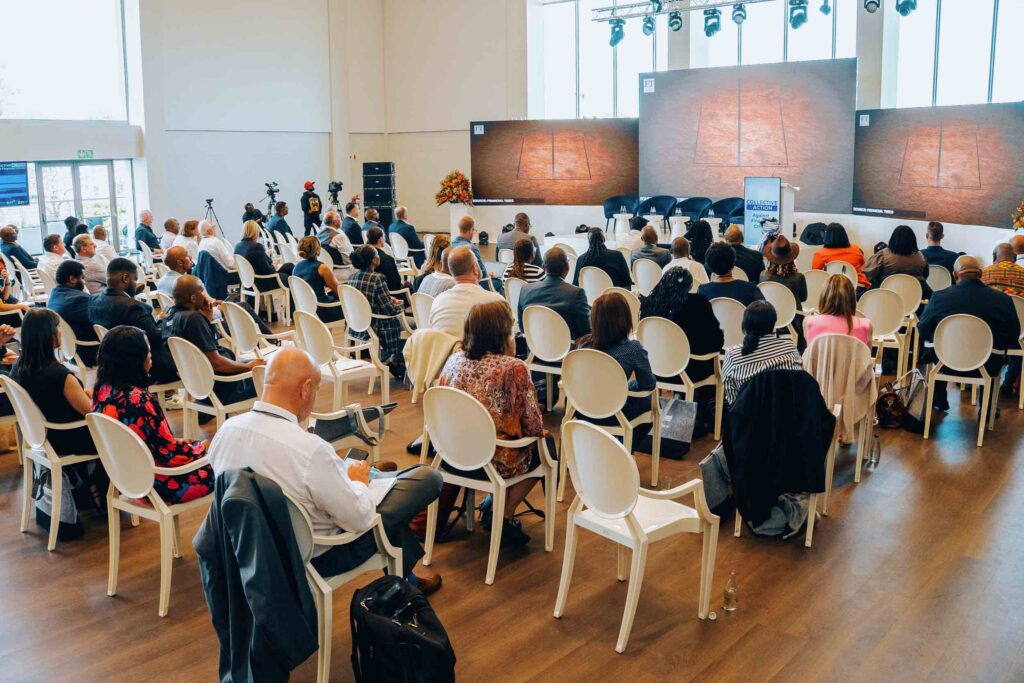
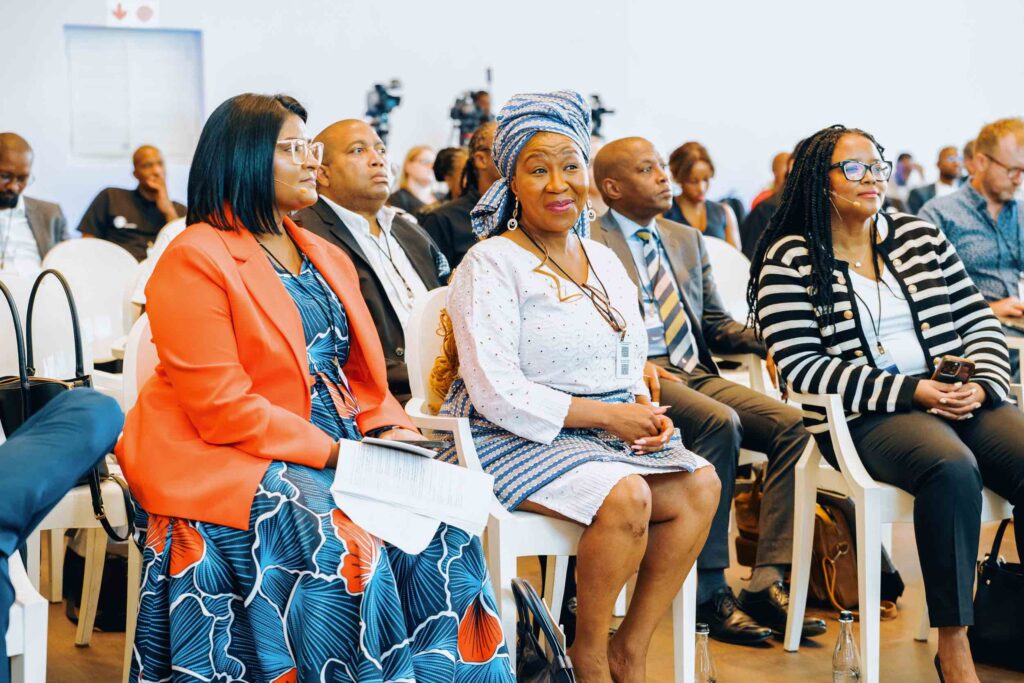
South Africa’s growing crisis of illicit trade and financial crime took centre stage this week as business leaders, policymakers, and civil society gathered in Johannesburg for the landmark Collective Action Against Financial Crimes event – a powerful prelude to the upcoming G20 Summit.
Hosted by the Consumer Goods Council of South Africa (CGCSA), the forum served as both a wake-up call and a roadmap for unified action against the illicit economy that drains billions from South Africa’s fiscus every year.
With participation from law enforcement, industry associations, and global observers, the event underscored the urgent need for a coordinated, multi-sector response to financial crime – one that combines enforcement, technology, and public trust.
Setting the Tone: A National Emergency in Plain Sight
The event opened with veteran broadcaster Bongani Bingwa, who set a reflective yet determined tone for the day’s discussions. “Today is about more than just talk,” he told the audience. “It’s about offering impactful ideas that can reverse the damage being done to our nation and people every single day.”
Nkwana reminded attendees that South Africa stands just days away from welcoming global leaders for the G20 Summit – a moment that demands the country project both leadership and accountability. “The world is watching,” he said. “We need to show that South Africans are willing to face their challenges head-on.”
A Sobering Welcome: The Cost of Doing Nothing
In his keynote address, Zinhle Tyikwe, CEO of the Consumer Goods Council of South Africa, delivered a stark assessment of how illicit financial flows have entrenched themselves across the economy.
“The surge in illicit financial flows and the expansion of the local illicit economy is a threat that is not just theoretical,” Tyikwe warned. “It’s real, measurable, and corrosive. These crimes strip billions from our national fiscus and weaken our country’s ability to deliver services.”
He explained that the problem is multidimensional – draining state revenue, suffocating legitimate businesses, and eroding trust in both government and institutions. “Every rand lost to illicit trade is a rand stolen from healthcare, education, policing, and infrastructure,” he said.
The Illicit Economy: A Silent Killer of Jobs and Fairness
Tyikwe outlined four devastating consequences of unchecked financial crime:
- A shrinking tax base: Billions are lost through tax evasion, smuggling, profit shifting, and trade mis-invoicing.
- A threat to legitimate businesses: Criminal networks undercut law-abiding companies by selling untaxed, counterfeit, or smuggled goods.
- Weakened institutions: Under-resourced customs, tax, and intelligence agencies struggle to keep up with sophisticated cross-border schemes.
- Eroding public trust: When citizens see illicit trade happening in plain sight, they begin to lose faith in the rule of law.
“If South Africans see counterfeit goods displayed openly on store shelves and high-profile cases go unresolved, they begin to believe that crime pays – and that compliance doesn’t,” Tyikwe said. “This cynicism is destroying the moral fabric of our nation.”
He added that illicit operators bypass all regulations, avoid paying VAT and customs duties, and flood markets with unsafe, substandard goods. “This isn’t just an economic crime; it’s an attack on the health, safety, and dignity of our people,” she stressed.
From Crisis to Collaboration: Building the Illicit Economy Task Force
In response to the escalating crisis, the CGCSA has formed the Illicit Economy Task Force – a coordinated platform uniting more than 20 industry associations and trade bodies, including BASA, BUSA, SALBA, SASA, and SAMBA.
These partnerships span the most affected sectors – tobacco, liquor, food, clothing, cosmetics, and even children’s toys – all vulnerable to counterfeiting and smuggling.
“It’s shocking, but even toys are being counterfeited,” Tyikwe said. “Our children are exposed to unsafe, unregulated products. This is why collective action is non-negotiable.”
The task forces are structured around intelligence sharing, policy alignment, and joint enforcement. Their primary mission is to coordinate cross-sectoral action that dismantles criminal networks, strengthens compliance, and drives smarter regulation.
Technology and Transparency: Tools of the New Fight
To bolster these efforts, the CGCSA unveiled a series of digital tools and public-facing campaigns designed to empower citizens and businesses to report, verify, and prevent illicit trade.
Among the most notable is the MyCGCSA App, a mobile platform that allows users to:
- Verify product authenticity
- Report counterfeit or illegal goods
- Access information on legitimate suppliers
- Share tips with enforcement agencies
Another critical tool is the CGCSA Crime Risk Hotline, offering a confidential reporting channel for whistleblowers, retailers, and community members.
“We are leveraging digital innovation to make every South African part of the solution,” Tyikwe said. “Technology can help us bridge the gap between public vigilance and enforcement capacity.”
The Council has also launched the #CheckOrDiagnose Campaign, a nationwide awareness drive encouraging consumers to question suspiciously cheap or unverified products and to reject counterfeits outright.
“If something looks too good to be true – it probably is,” Tyikwe said. “We must cultivate a culture of consumer responsibility.”
Public Morality and the Rule of Law
The discussions extended beyond economics to a deeper moral question: What kind of society does South Africa want to be?
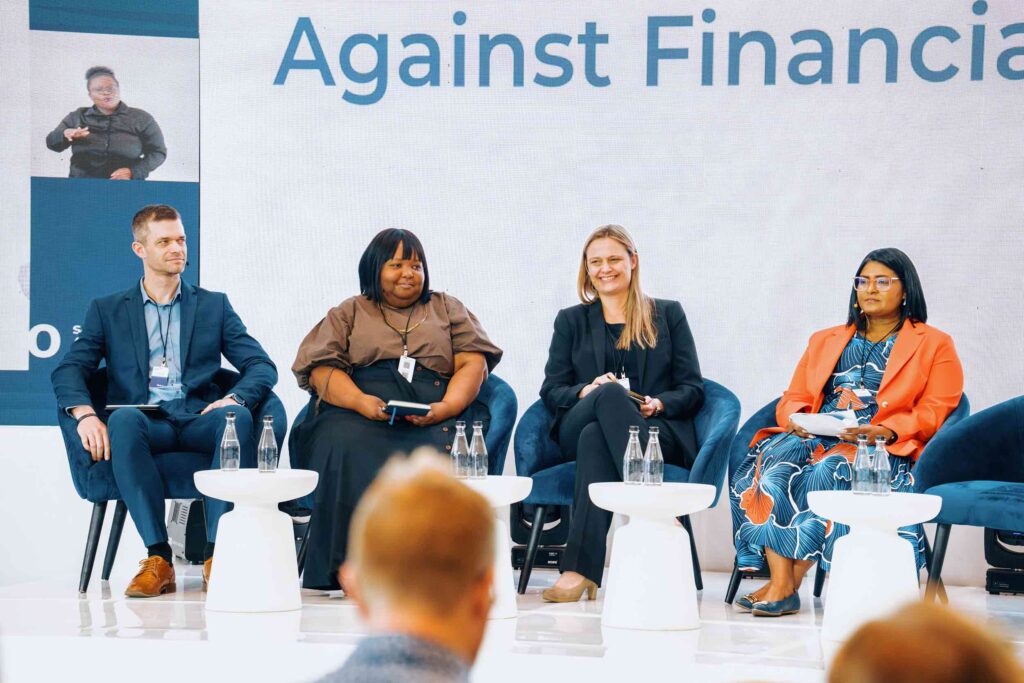
Moderator Bongani Bingwa captured this sentiment poignantly, saying, “If it’s done in broad daylight, people will ask themselves: if they did it, why can’t I? We must change the picture of public morality.”
The panel agreed that public accountability and ethical leadership are central to restoring national integrity. Enforcement alone cannot win this fight – communities must also demand fairness and transparency.
A National Call to Action
As the event concluded, the message was unambiguous: South Africa cannot afford complacency. The cost of inaction is measured not only in billions lost but in jobs destroyed, institutions weakened, and trust eroded.
Tyikwe called for a “time-bound, politically supported roadmap” to restore integrity to South Africa’s financial systems.
“We need clear, actionable solutions that protect our economic future,” she said. “The stakes are too high, and we cannot afford to fail.”
The CGCSA and its partners plan to present a set of policy recommendations to government and the G20 working groups, urging for greater regional coordination, cross-border intelligence sharing, and stricter penalties for financial crimes.

The Way Forward: Unity, Vigilance, and Purpose
The Collective Action Against Financial Crimes event marked a crucial turning point – not only in policy but in mindset. For too long, experts agreed, the fight against illicit trade has been fragmented, reactive, and underfunded.
Now, with businesses, regulators, and citizens aligned under one vision, South Africa has the opportunity to build a transparent, fair, and inclusive economy that rewards compliance and punishes corruption.
“This isn’t just about protecting profits or balancing budgets,” Ndiwa concluded. “It’s about defending the integrity of South Africa – for every worker, every entrepreneur, and every child who deserves a fair chance.”
About the Consumer Goods Council of South Africa (CGCSA)
Founded to represent the interests of South Africa’s consumer goods industry, the CGCSA brings together manufacturers, retailers, and distributors to promote ethical business practices and consumer protection. The Council also serves as the official Trusted Domestic Carrier for the Springboks and Proteas and has pioneered digital reporting tools like MyCGCSA App and the Check or Diagnose Campaign to strengthen transparency and compliance.